Short Wave
One of the toughest parts of ADHD is left out of the diagnosis
Listen to the full episodeDo not have it yet? Parasocial is a podcast player by Super Simple.
Short Wave
Do not have it yet? Parasocial is a podcast player by Super Simple.
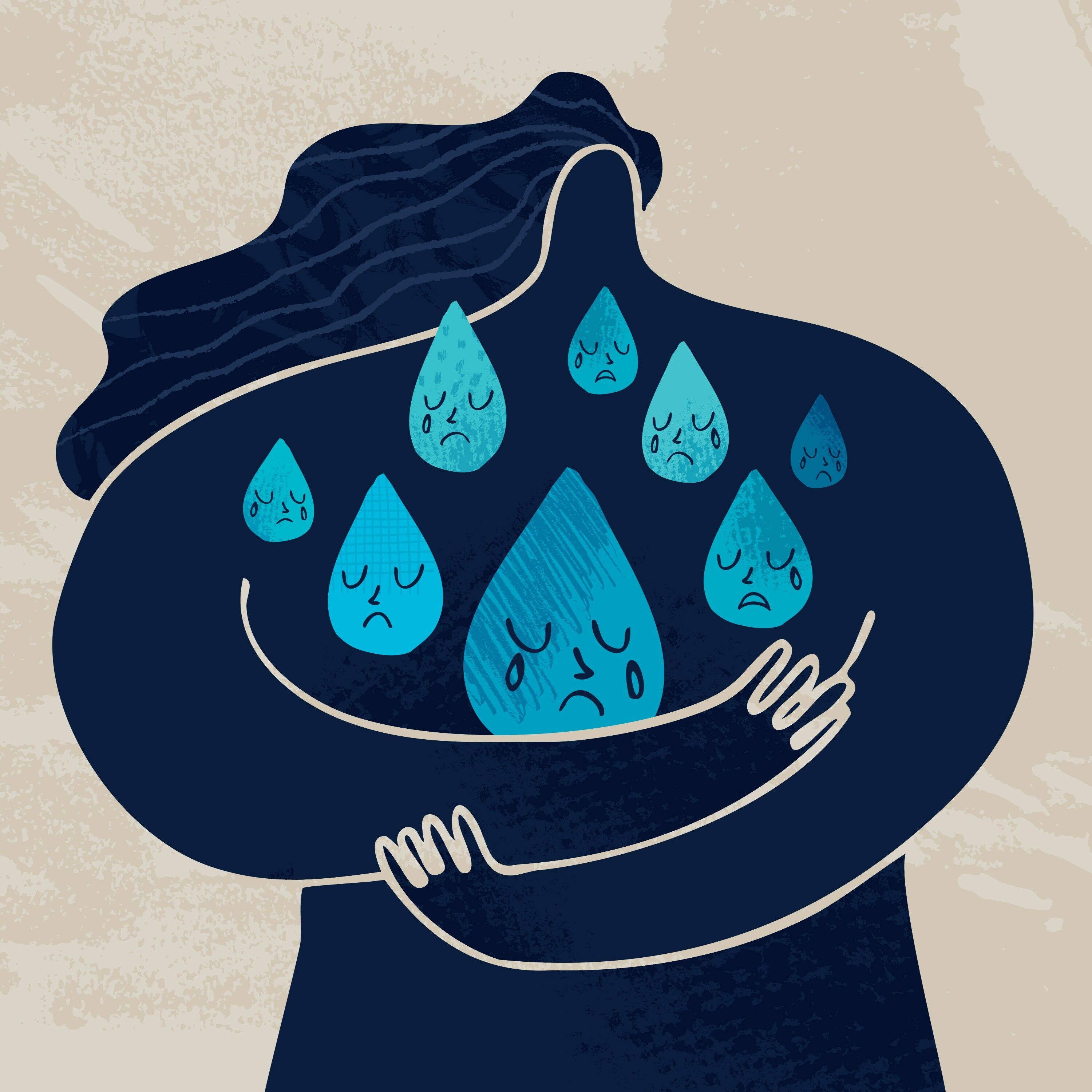
ADHD diagnoses are on the rise in the United States, but what if professionals are missing a key part of the disorder? In the 1970s, some clinicians recognized a lot of their ADHD patients had trouble with emotional regulation. But because it was easier to measure behavior rather than emotions, the criteria eventually fell off the radar. Today in the U.S., emotional dysregulation is not a part of the ADHD diagnostic criteria in the Diagnostic and Statistical Manual of Mental Disorders (DSM). Dr. Sasha Hamdani thinks that needs to change. In today’s episode, she talks about her book Too Sensitive, and explains what is going on in the brains of people with Rejection Sensitive Dysphoria. Interested in more mental health science? Email us your question at shortwave@npr.org. Support public media with NPR+ and enjoy perks for over 25 podcasts like this one. This show’s perks include sponsor-free listening. Learn more at plus.npr.org. Wender, P. H. (1971). Minimal Brain Dysfunction in Children. Wiley-Interscience. https://pubmed.ncbi.nlm.nih.gov/4581984/ Barkley, R. A. (2015). Emotional dysregulation is a core component of ADHD. In R. A. Barkley (Ed.), Attention-Deficit Hyperactivi