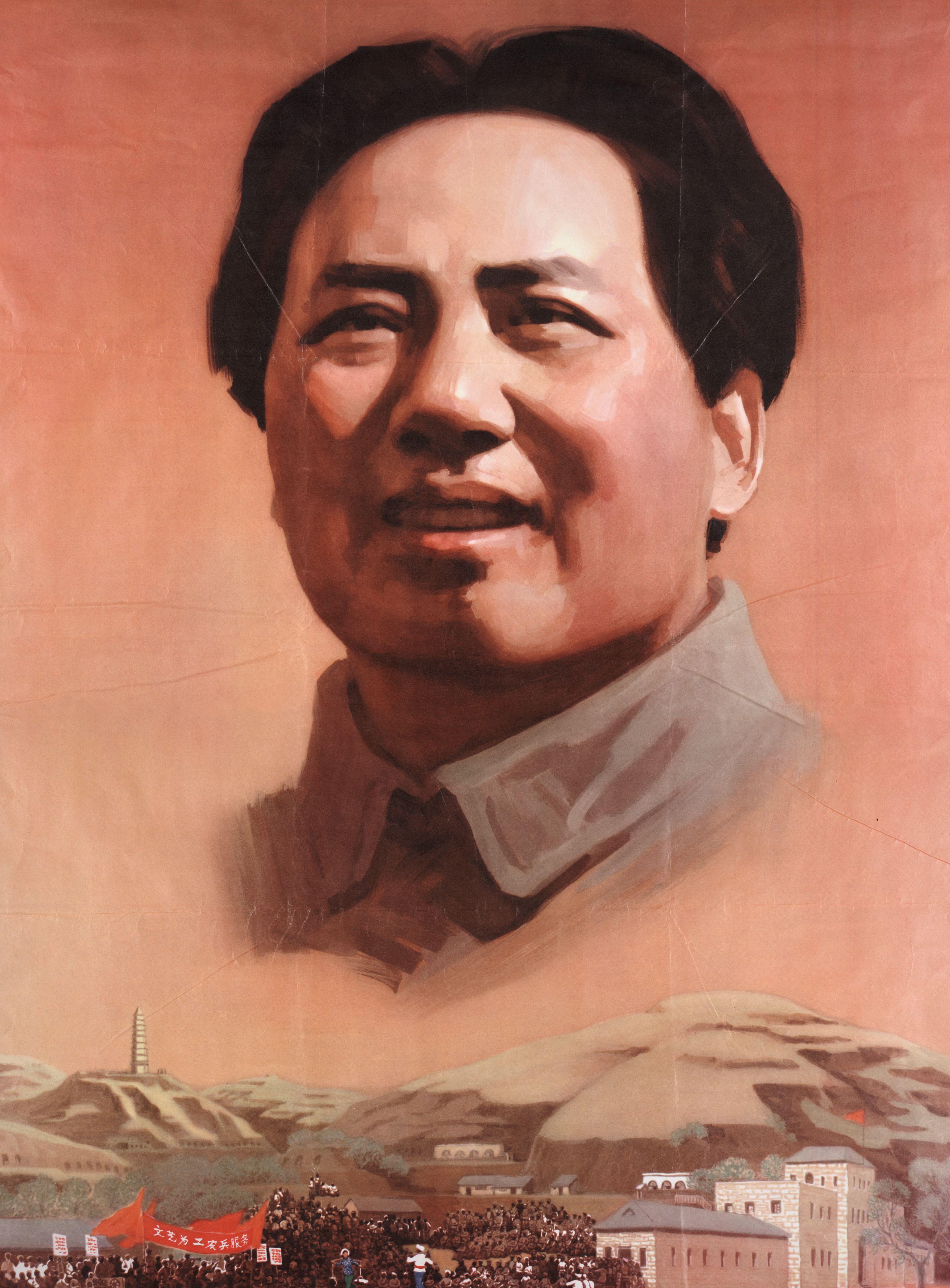
The Chinese Revolution
The Brilliance of Chairman Mao
Listen to the full episodeDo not have it yet? Parasocial is a podcast player by Super Simple.
The Chinese Revolution
Do not have it yet? Parasocial is a podcast player by Super Simple.
By the early 1940s, the Communists in Yan’an were feeling relatively secure. The Japanese advance in north China had not reached that area. The Sino-Japanese War and the United Front meant that Chiang Kai-shek’s main concern had been Japan and not the Communist Party. The Nationalist Government in China even funded the Communists in Yan’an. Thousands of recruits flocked to Yan'an. Chairman Mao Zedong used this opportunity to consolidate his leadership of the Communist Party of China. The term Mao Zedong Thought was first introduced and a cult of personality built around Chairman Mao. Mao became the ideological leader of the Chinese Communists. Wang Ming and the 28 Bolsheviks were criticized for Factionalism. Wang Shiwei was purged and executed for criticizing Mao and the "big men" in Yan'an. Intense self-criticism and public criticism sessions re-educated Communists to rebuild them into loyal, obedient Communists with a fighting spirit. This was the first Rectification Campaign, but it was not the last. Major source: Gao, Hua. (2018). How the Red Sun Rose: The Origins and Development of the Yan’an Rectification Movement, 1930–1945. The Chinese University of Hong Kong Press