The Chinese Revolution
Hope and the Second United Front in Wuhan
Listen to the full episodeDo not have it yet? Parasocial is a podcast player by Super Simple.
The Chinese Revolution
Do not have it yet? Parasocial is a podcast player by Super Simple.
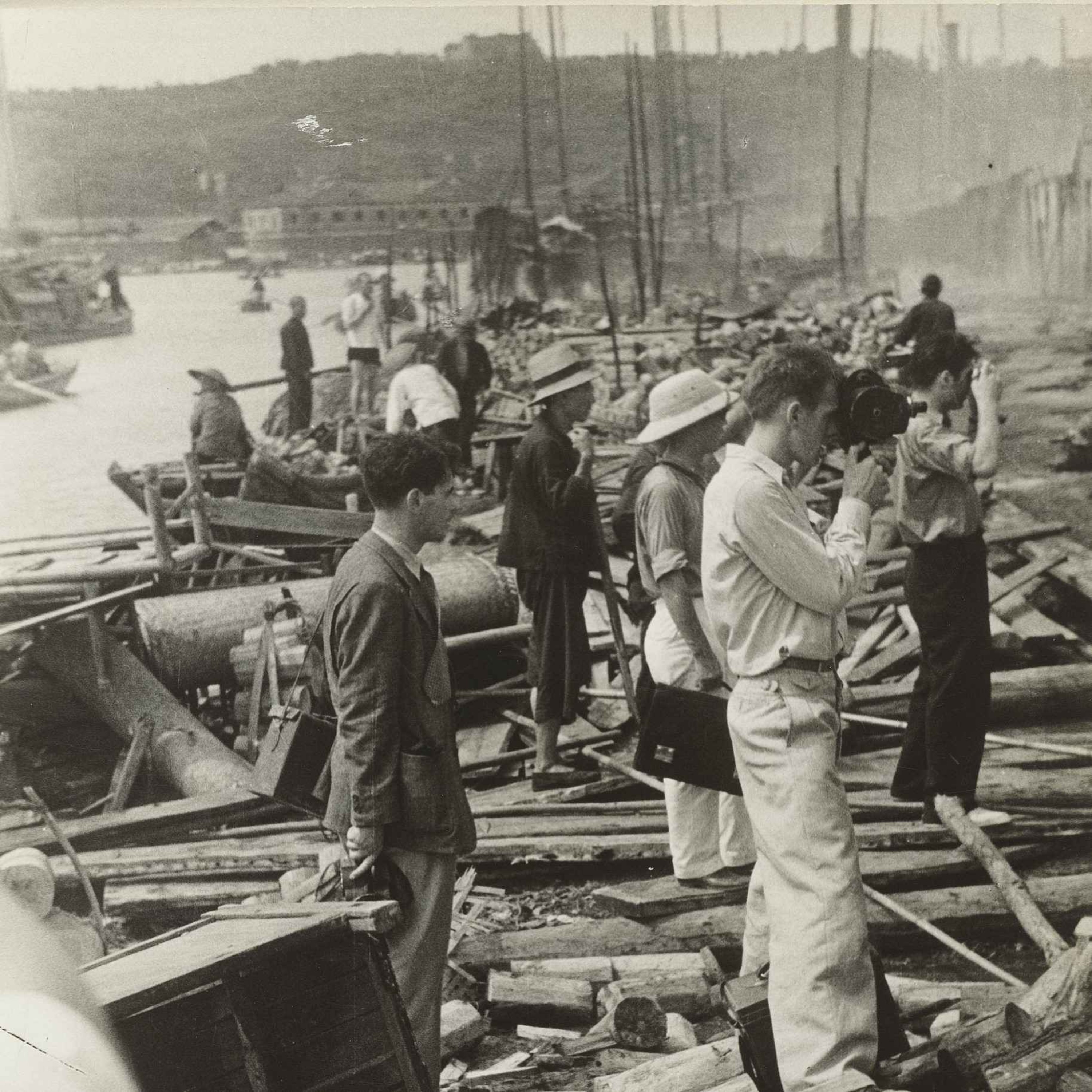
For ten months in 1938, Hankou in Wuhan was the center of China's Second United Front and defense against the Japanese invasion. Artistic expression, political parties and free speech all blossomed. Neither the KMT nor the Communist Party fully controlled the city and a variety of generals, thinkers and artists came together to defend against Japanese aggression. Wuhan was under the control of Generals Li Zongren and Bai Zhongxi, heroes of the Chinese victory at Taierzhuang. There was optimism that the Japanese could be stalled and stopped. Robert Capra came to Wuhan to film the heroic defence. Dr. Norman Bethune brought medical care to the Eighth Route Army. W. H. Auden and Christopher Isherwood visited and wrote a book about the war zone. General Han Fuju was executed for giving up Shandong without a fight. But the Chinese underestimated Japanese combined arms and amphibious attacks. The forts they built to defend against the Japanese Navy moving up the Yangzi River were vulnerable to land based attacks. The Chinese Nationalist Army during the Second Sino-Japanese War suffered similar defeats to the Qing defenders during the Opium War. With the fall of Hankou came an end