The Chinese Revolution
The Beginning of the Second Sino-Japanese War and the Nanjing Massacre
Listen to the full episodeDo not have it yet? Parasocial is a podcast player by Super Simple.
The Chinese Revolution
Do not have it yet? Parasocial is a podcast player by Super Simple.
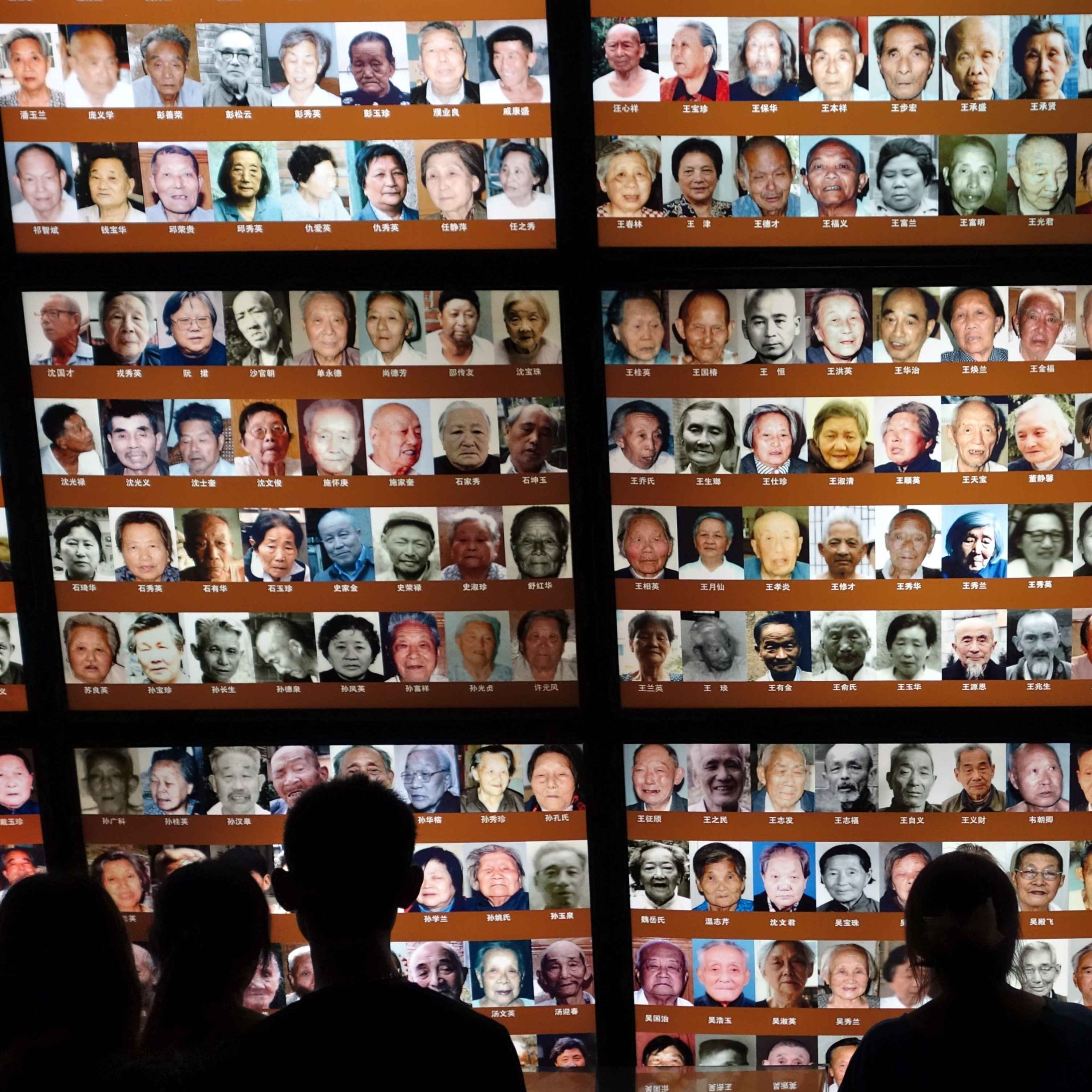
On July 7, 1937, the Second Sino-Japanese War and World War II began with the Marco Polo Bridge Incident. It is also known as the Lugou Bridge Incident. Within days of the small skirmish with 100 Chinese garrison troops, the Japanese had brought in 180,000 troops. After that, the fighting between the Chinese and the Japanese did not stop until 1945. Japan then attacked Shanghai. Nationalist troops resisted for three months, including with hidden artillery that killed the Japanese Empress' cousin during an amphibious landing. But the Japanese eventually captured China's largest port city and turned their attention to the national capital of Nanjing, after sacking the historic, cultural city of Suzhou. Chiang Kai-shek ordered Nanjing to be both defended and evacuated. Treasures from the Forbidden City were moved west, along with government officials. Soldiers were brought in and they fortified in anticipation of the attack. Refugees streamed west, including some to Nanjing. Trapped between the attacking columns and the Yangzi River, only a small number were able to evacuate once the battle was lost. Those who were not able to find refuge in the Nanjing Safety Zone were most often